
What Are The First Signs A Septic Tank Needs Pumping?
Slow drains everywhere at once is usually the first tip-off. One slow sink is a clog. Every sink, tub and toilet draining slow at the same time means the tank is backing up, not the pipe. Gurgling sounds from drains or toilets after a flush are next, and that means air is trapped because the line out to the tank is partly full of solids instead of clear. Sewage odor near the tank lid or the drain field is a sign worth acting on fast, especially in warm weather when gas escapes faster. Grass that is greener and grows faster right over the tank or field, even in a dry Aurora summer, usually means the tank is leaching liquid it should be holding. Standing water or soggy ground over the drain field, with no rain to explain it, is one of the clearer signs the field itself is failing. If you are on a lease and calling a landlord, our septic pumping service page covers what a routine visit involves.
How Often Should A Septic Tank Be Pumped?
Every 3 to 5 years for most residential tanks, and household size and tank size both push that number up or down. A bigger household with a smaller tank might need service closer to the 3-year mark. A couple with a 1,500 gallon tank might stretch past 5. This is a rule of thumb, not a fixed schedule, and it is a good reason to track your last pump date rather than guess. Homes near Aetna Estates, 4.7 miles northeast of Aurora, and out toward Watkins, 13.3 miles east, often run on well and septic rather than city sewer, and that makes tracking the interval even more important since there is no municipal backup. If you manage a restaurant or food truck instead of a home, grease is a separate problem: a grease interceptor needs pumping once fats, oils, grease and solids reach 25 percent of the liquid depth, and our grease trap pumping page covers that service on its own schedule. For cost planning either way, see septic tank pumping cost.

Why Does My Yard Smell Like Sewage?
A sewage smell in the yard means gas or liquid is escaping somewhere it should not be, usually a full tank, a cracked lid, or a saturated drain field that cannot absorb any more liquid. The smell tends to get worse after rain, because saturated soil around a failing field has nowhere to send new liquid, and it pools instead. Aurora Porta Pros treats a strong sewage odor as an emergency call, not a routine appointment, because a tank that is venting gas at the surface is usually close to a backup indoors. If the smell is coming from inside the house rather than the yard, that often points to a dry trap or a vent issue rather than the tank itself, and it is worth ruling that out before assuming the whole system has failed. Either way, waiting rarely helps. Our emergency septic service page has more on how fast a crew can get out once a call comes in, and septic pumping service covers what happens on a standard visit versus a rush one.
Do Slow Drains Always Mean The Tank Is Full?
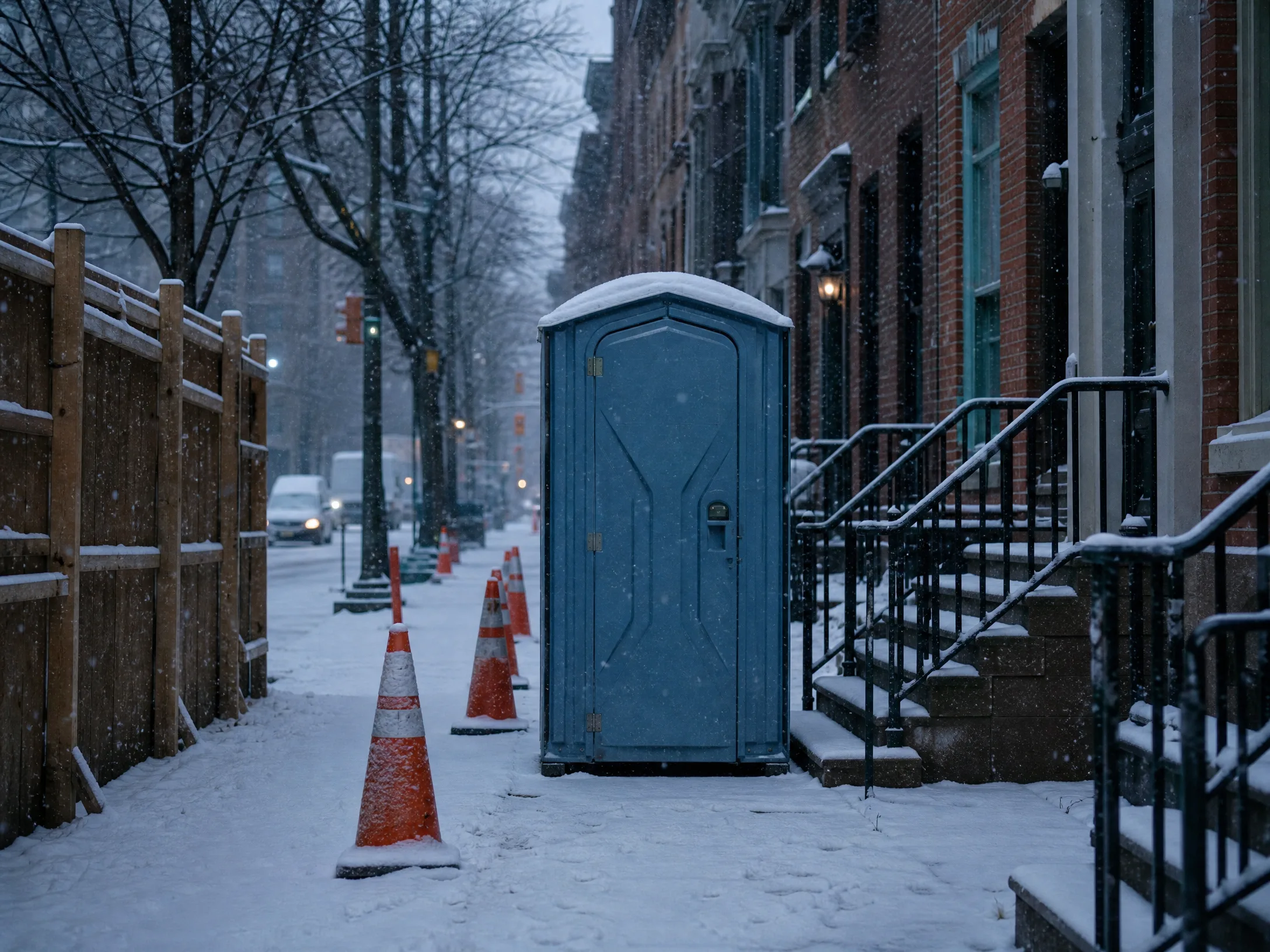
No. Slow drains can mean a full tank, but they can also mean a clogged line, tree roots in the pipe, or a failing drain field that is no longer accepting liquid even after pumping. That is why a tech checks the whole system rather than just pumping and leaving. A tank that gets pumped on schedule but still backs up within weeks usually has a field problem, not a tank problem, and no amount of pumping fixes a saturated field. This matters for planning: some homes near Parker, 19.1 miles south of Aurora, and Centennial, 23.3 miles southwest, sit on older systems where the field is the weaker link. If you are dealing with a construction site instead of a home and need interim toilets while septic work is underway, portable toilet rental and emergency porta potty rental cover short-notice placement, and OSHA 1926.51(c) sets the toilet ratio construction crews need to plan around while the system is offline.
How much does it cost to pump a septic tank in Aurora?
A septic pump-out typically runs in the 150 to 300 dollar range for a standard day visit, with the exact number depending on tank size and access. See septic tank pumping cost for the full breakdown, and how often to pump a septic tank for scheduling guidance.
Can I pump my own septic tank?
Not safely, and not legally in most cases. Septic tanks hold gases that are dangerous in an enclosed space, and disposal of the waste has its own rules. Aurora Porta Pros handles pumping and hauling together so nothing gets dumped improperly.
What happens if I ignore septic warning signs?
The system backs up into the house, and repair costs climb fast once a drain field fails instead of just the tank. A pump-out that costs a few hundred dollars now beats a field replacement later. Warning signs rarely resolve on their own.
Is a sewage smell always an emergency?
Treat it as one. A strong sewage odor usually means the tank is full, cracked, or venting gas somewhere it should not. Our emergency septic service page covers response, and waiting even a day can turn a pump-out into a backup.
Do holding tanks show the same warning signs as septic systems?
No, holding tanks work differently since they store waste rather than treating it in a drain field. They need scheduled pumping based on use, not soil signs. See holding tank rental for how that schedule works on a job site or event.

Next step
Get a delivery date
Tell us the address, the dates and the headcount. We size the order and confirm the route.